Grid-scale
energy storage
reimagined.

The Aqueous Sulfur Battery combines PolyPlus' Water Stable Protected Anode with proprietary aqueous sulfur cathode chemistry — delivering long-duration grid storage that is safer, cheaper, and free from critical minerals.

250+
Patents granted & pending
Low Cost,
High Capacity
Cathode
Li₂S from waste H₂S
Non-Flammable
Aqueous
Electrolyte
High thermal conductivity reduces need for thermal management
High Energy
Density
~250 Wh/kg & 500 Wh/l
Zero
Self-discharge
from −20°C to 80°C
Aqueous Sulfur Battery Li-Seawater Battery Water Stable Protected Anode (PLE™) Non-Flammable Electrolyte Robust Supply Chain EST. 1991 Founded & operating in Berkeley, CA Aqueous Sulfur Battery Li-Seawater Battery Water Stable Protected Anode (PLE™) Non-Flammable Electrolyte Robust Supply Chain EST. 1991 Founded & operating in Berkeley, CA
The challenge

Grid storage has a problem.

Lithium iron phosphate (LFP) dominates grid storage today. But its supply chain and manufacturing base are almost entirely foreign, and LFP demands costly thermal management to operate across temperature extremes.

There's a better way.

01

Fire & safety incidents

Moss Landing, Gateway, and Townsite/Boulder City — major grid battery fires have caused significant damage, reinforcing the need for inherently safer chemistry.

Risk: thermal runaway & flammability
02

Supply chain concentration

Aqueous sulfur batteries are built on a secure, domestic supply chain from end to end.

Advantage: Abundant, low cost raw materials
03

Thermal performance limits

LFP degrades rapidly above 45°C continuous and requires active cooling. Performance drops sharply at low temperatures, limiting deployment geography.

Limit: narrow 0–45°C window
04

Cost plateau

Redox flow batteries remain expensive. LFP has commoditized, but cost reduction is slowing. Long-duration storage needs a step-change.

Gap: long-duration economics
The PolyPlus platform

Three solved problems.
One architecture.

The Aqueous Sulfur Battery pairs PolyPlus' Water Stable Protected Anode (PLE™) with a proprietary aqueous sulfur cathode — the only chemistry that is non-flammable, free of critical minerals, and purpose-built for 4–12+ hour grid storage.

01
Layer 01 · Anode

Water Stable Protected Anode

Graphite anode + ceramic solid electrolyte (PLE™) — water-stable, no lithium metal, no thermal runaway, no critical transition metals.

PLE™ technology
02
Layer 02 · Separator

Ceramic Solid Electrolyte

Polycrystalline ceramic membrane - a key component of the PLE, enables stable operation in aqueous environments.

Domestic pilot line
03
Layer 03 · Catholyte

Aqueous Sulfur Cathode

Li₂Sₙ in aqueous solution — 1,166 Ah/kg (~7× greater than LFP). Synthesized from H₂S refinery waste. Non-flammable, fully recyclable via solution reconstitution.

1,166 Ah/kg · 7× LFP
Why it matters

Safer, cheaper,
mineral-free.

  • 🛡️
    Inherently non-flammable

    An aqueous electrolyte removes the thermal-runaway pathway that drives LFP and NMC grid fires.

  • ~7× the areal capacity of LFP

    Dissolved aqueous polysulfides enable unprecedented capacity density and reversible cycling.

  • 🇺🇸
    Domestic supply chains

    No critical minerals — cathode built from essentially-free H₂S refinery waste.
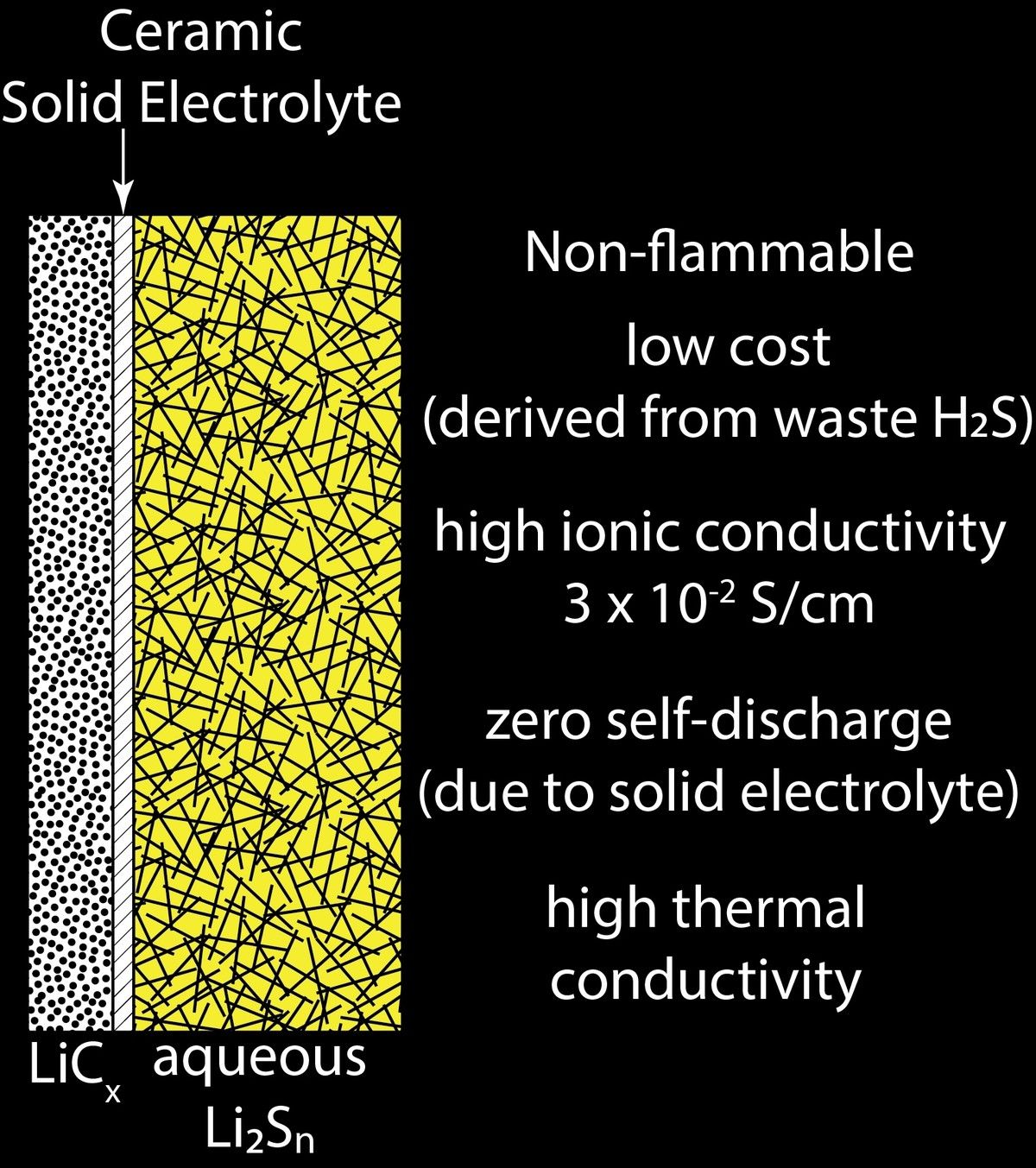
See the grid platform →
Li-ion/sulfur cell schematic: LiCx anode, ceramic solid electrolyte, aqueous Li2Sn catholyte — non-flammable, low cost, high ionic conductivity, zero self-discharge
The Li-ion/sulfur cell — LiCₓ anode · ceramic solid electrolyte · aqueous Li₂Sₙ catholyte · ionic conductivity 3×10⁻² S/cm
Sulfur cathode

Non-aqueous Li-S always failed. Aqueous solves it.

Non-aqueous: Li₂S insoluble → capacity dies every cycle
Aqueous: 3,000× improvement in Li₂S solubility

In organic solvents, polysulfides dissolve, migrate, and deposit as insoluble Li₂S — killing capacity. In water, Li₂S is completely dissolved. Aqueous polysulfides enable unprecedented capacity density (mAh/cm²) and reversible cycling.

The anode problem

The PLE™ makes aqueous sulfur possible.

Conventional graphite / Li metal: unstable in water
PLE™: fully water-stable, graphite-based, scalable

Aqueous sulfur chemistry was previously impossible — conventional anodes corrode instantly in water. PolyPlus invented the PLE™, a ceramic solid electrolyte membrane that fully protects graphite anodes in aqueous environments. No lithium metal · no thermal runaway · no critical transition metals.

Supply chain

H₂S waste stream → ultra-low-cost cathode.

LFP: concentrated supply chain
Aqueous sulfur: H₂S refinery byproduct

Cathode cost is determined by the reaction of LiOH with essentially-free H₂S refinery waste — significantly below LFP. No critical minerals. High areal capacity reduces copper, aluminum, separator and binder costs. Dissolved cathode is inherently recyclable — just solution reconstitution.

Grid storage platform

Built for the utility grid.

The PolyPlus Li-ion/sulfur platform is designed from the ground up for multi-hour grid-scale battery energy storage systems (BESS) — where safety, cost, and cycle life matter most.

01

Utility-Scale BESS

Multi-hour storage for transmission-connected utility systems, peak shaving, and grid frequency regulation.

Duration: 4–12+ hours
02

Solar + Storage

Behind-the-meter and front-of-meter storage paired with renewable generation for 4–8 hour dispatch.

Pairing: renewable firming
03

Defense & Resilience

Mission-critical energy storage where safety, domestic sourcing, and temperature tolerance are non-negotiable.

Funded: DOE & DoD programs
04

Underwater / Marine

Li-seawater primary batteries for long-endurance AUVs and subsea systems — proven at 10,000 psi.

Proven: 10,000 psi depth
Competitive landscape

How aqueous sulfur compares.

TechnologySafetyCost trajectoryCycle life Supply chainTemperatureStatus
PolyPlus Aqueous Sulfur Non-flammable Byproduct of oil refining 3,000+ cycles US domestic −20°C demonstrated TRL 5–6
LFP Fire incidents ~ Mature, low margin 3,000+ cycles Concentrated Supply Chain ~ 0–45°C optimal Commercial
Redox Flow Non-flammable Remain too expensive Very long life ~ Mixed ~ Limited Commercial
NMC Li-ion Thermal runaway ~ Declining ~ 500–1,000 cycles Expensive Critical Minerals ~ Narrow range Commercial
Conventional Li-S Flammable ~ Moderate <100 cycles ~ Mixed Polysulfide shuttle Development
Technology portfolio

30+ years of
battery innovation.

Founded on the invention of the protected lithium electrode, PolyPlus has pioneered battery chemistries that were previously considered impossible.
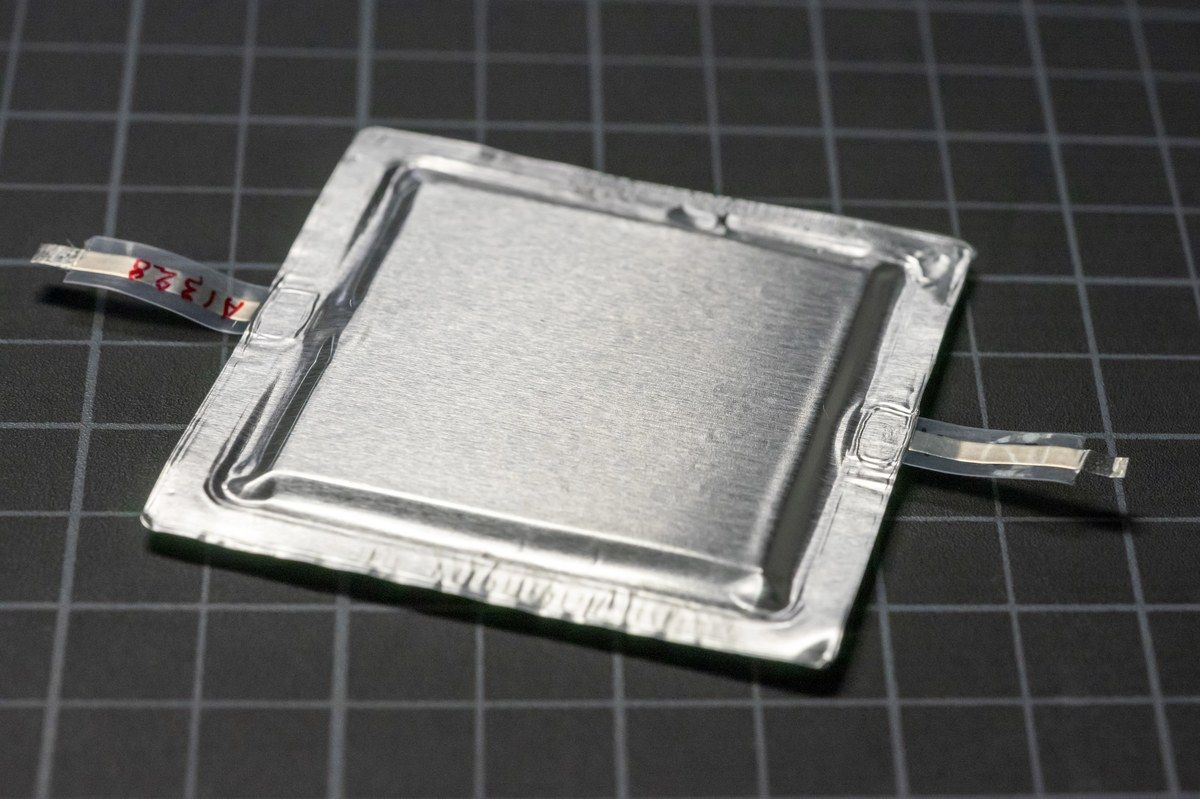
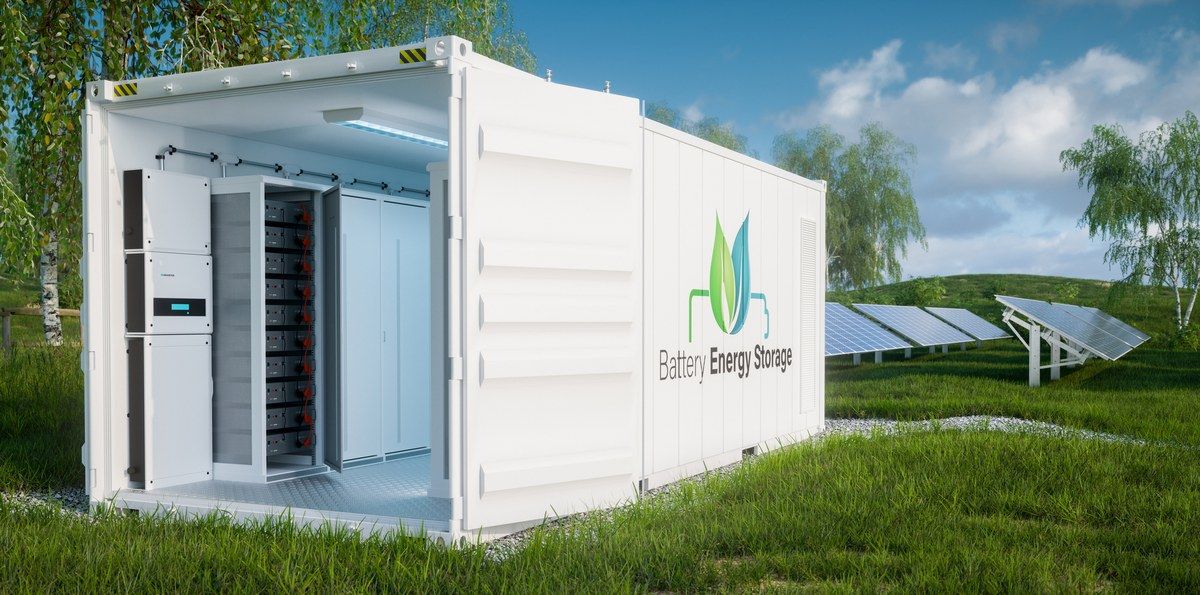
Consumer · Defense
Glass-Protected Li Metal
Glass-Protected Li Metal Battery
Solid-state lithium anode laminate bonded to monolithic sulfide glass — doubles energy density vs. Li-ion. First conductive glass separator for rechargeable Li metal batteries.
2× energy density
TRL
4–5 / 9
Marine · Subsea
Lithium Seawater
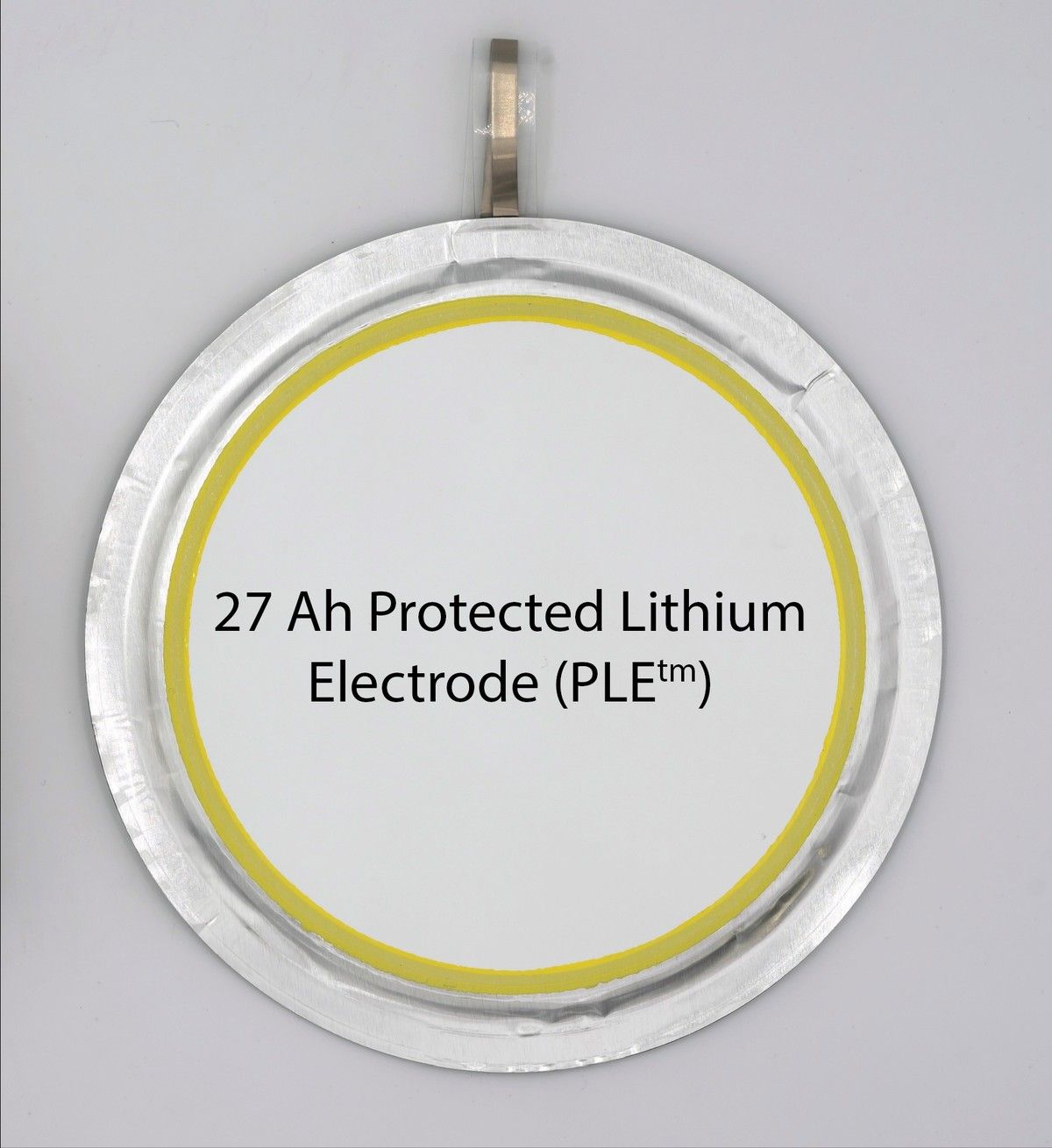
PolyPlus Li-Seawater Battery — 27 Ah PLE
1,600 Wh/kg · 1,100 Wh/l energy density. 400 Ah batteries tested in deep ocean. Zero self-discharge stored 4 years. Verified by U.S. Navy and major defense primes. Multi-MWh pilot production line.
Unprecedented Energy
TRL
6–7 / 9
Defense · Soldier power
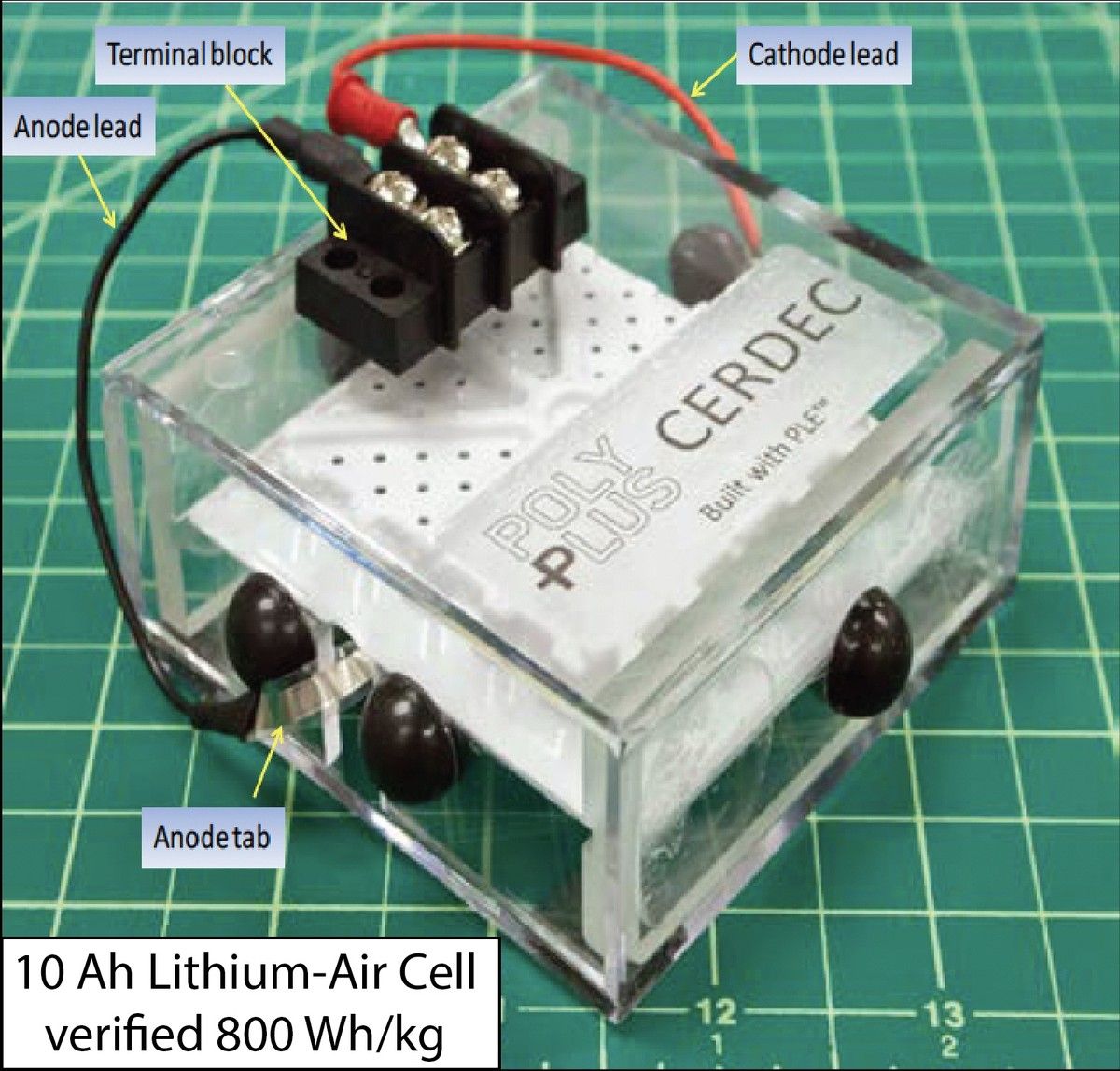
Lithium Air
10 Ah Lithium-Air Cell — 800 Wh/kg verified
World-record 800+ Wh/kg verified at US Army CERDEC Aberdeen. Aqueous electrolyte, ambient air cathode — no toxic chemicals. Ideal for weight-critical portable power.
800+ Wh/kg verified
TRL
4 / 9
Core IP
Protected Lithium Electrode (PLE™)
Protected Lithium Electrode PLE technology
The foundational PolyPlus invention — a Li anode protected by a dense ceramic membrane, enables high energy batteries combining Li metal or Li-ion anodes with water-based cathodes. Edison Gold Award 2012.
TIME 50 Best Inventions 2011
TRL
7 / 9
Facilities

World-class R&D infrastructure.

The PolyPlus facilities in Berkeley, CA have state-of-the-art equipment and capabilities for battery research and development.
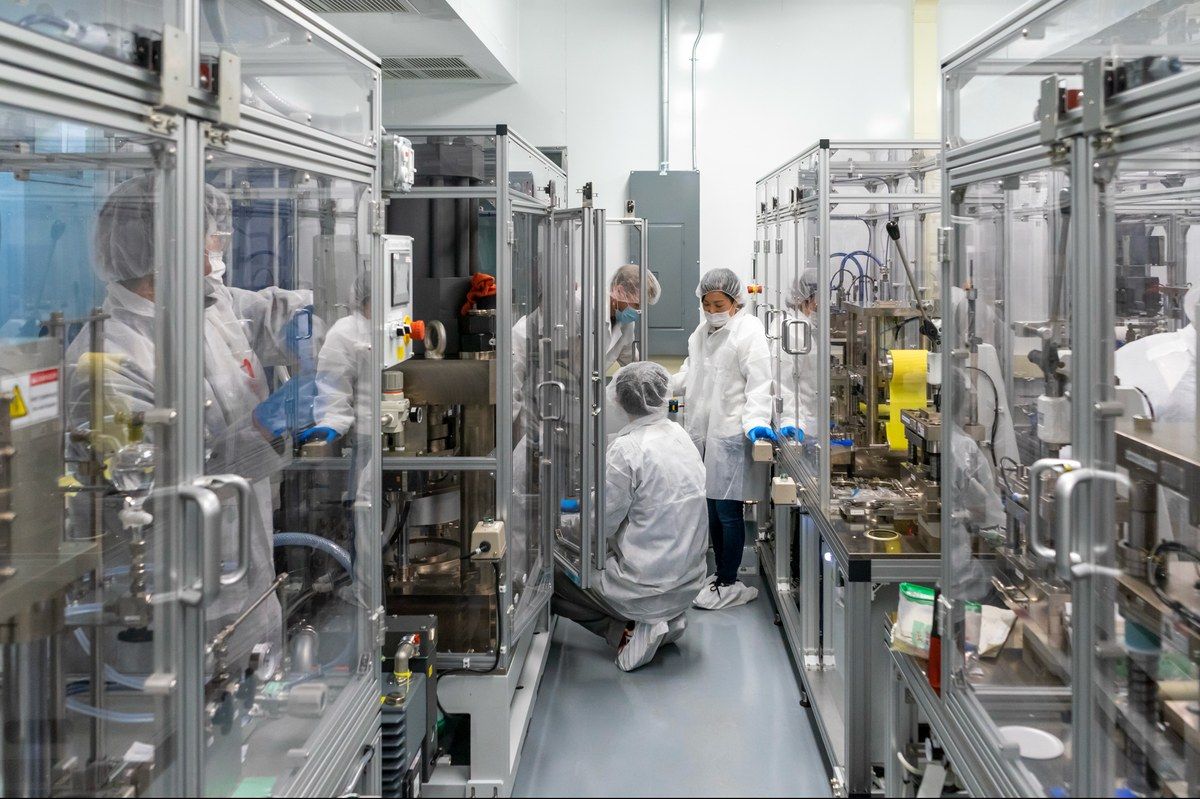
PolyPlus semi-automated pilot manufacturing line in Berkeley, CA
The PLE™ pilot manufacturing line · Berkeley, CA
🏭
Pilot Production Line
A one-of-a-kind multi-station pilot line for fabricating protected lithium electrodes (PLEs) and protected graphite electrodes (PGE™) — designed by PolyPlus engineers, built by a premiere Li-ion equipment manufacturer.
🧪
Dry Room & Glovebox Network
Dry room facility for lithium handling, electrode fabrication, and battery assembly — interconnected to a network of state-of-the-art argon-filled gloveboxes.
Electrochemical & Battery Testing
Several 100-channel Maccor battery testers, plus potentiostat/galvanostat systems with impedance-spectroscopy channels for electrochemical analysis.
🔬
Glovebox Network
Double- and triple-workstation gloveboxes operating below 1 ppm moisture and 1 ppm oxygen.
🔭
Keyence Microscope Suite
High-resolution optical microscope, confocal laser microscope, and a 3D surface-profiling microscope.
🏗️
Glass Electrolyte Draw Tower
A draw tower for production of continuous ultra-thin sulfide glass electrolyte ribbon.
Key differentiators

Why PolyPlus Wins on
Cost and Safety.

Non-flammable chemistry is not a marketing claim — it is a fundamental property of the aqueous catholyte architecture.

🏭
Robust Supply Chain
Li₂S positive electrode is synthesized from waste H₂S — a byproduct of petroleum refining available at near-zero feedstock cost. No critical minerals.
US graphite sourcing
💧
Non-flammable aqueous catholyte
The Li₂S catholyte is water-based. Unlike LFP or NMC cells, there is no organic solvent in the catholyte that can ignite. This is a structural safety advantage, not a design choice.
vs. LFP organic electrolyte → fire risk
🌡️
Demonstrated −20°C operation
PolyPlus has cycled Aqueous Sulfur cells at −20°C — a meaningful differentiator for grid applications in cold climates where LFP loses substantial capacity.
Cells demonstrated −20°C cycling
♻️
Waste-stream catholyte feedstock
H₂S from petroleum refining — typically a waste disposal liability — becomes the feedstock for Li₂S catholyte synthesis. Refinery-scale availability at near-zero cost.
Refinery waste vs. mined critical minerals
📜
Broad patent protection
250+ granted and pending patents covering the core PLE™, aqueous Li-S chemistry, cell architecture, seals, and manufacturing processes. Comprehensive moat.
250+ patents · 34 years of IP
🔬
Deep technical team
PhD-led R&D team with 16,000 ft² facility in Berkeley, CA. Pilot line, dry room, Maccor battery testers, argon gloveboxes, SEM/EDAX — a fully equipped battery development operation.
16,000 ft² · Berkeley, CA
Company

Founded on invention.
Built to scale.

PolyPlus Battery Company was founded in 1991 on the invention of the lithium/organosulfur battery at Lawrence Berkeley National Laboratory. For 34 years, PPBC has operated at the frontier of electrochemical science — combining scientific creativity with disciplined execution and a comprehensive IP portfolio.

PolyPlus lithium-seawater battery powering a 2.9V LED in an environmentally sensitive marine aquarium
  • 1991PolyPlus founded in Berkeley

    Established on the invention of the lithium/organosulfur battery at Lawrence Berkeley National Laboratory.

  • 2000sProtected Lithium Electrode (PLE™)

    The protected electrode incorporates a water-stable ceramic membrane, enabling lithium anodes for use in aqueous and ambient environments.

  • 2011Lithium-Seawater & Lithium-Air

    Record-setting energy densities, proven to 10,000 psi. Named one of TIME's 50 Best Inventions of 2011.

  • TodayAqueous Sulfur grid storage

    Scaling a safe, low-cost, domestic platform for long-duration grid energy storage.

Leadership team
Steven J. Visco

Steven J. Visco, Ph.D.

CEO & CTO · Co-Founder

150+ US patents · internationally recognized lithium battery expert.

May-Ying Chu

May-Ying Chu, Ph.D.

CFO & COO · Co-Founder

30+ years battery R&D management · 28 US patents.
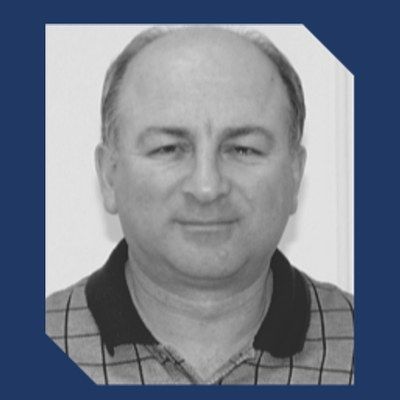
Eugene Nimon

Eugene Nimon, Ph.D.

Director of R&D

70+ publications · 105+ US patents.

Bruce Katz

Bruce Katz, MSc

Manager, IP & Business Development

25+ years lithium battery R&D and IP · 80+ US patents.

Samantha Miller

Samantha Miller, MSc MBA

Head, Corporate Development

Cadence · InCarda · Theravance · Nektar · P&G.

Reinhardt Peper

Reinhardt Peper, MBA

Advisor

President & CEO, Robert Bosch Battery Systems 2013–2020.

Celina Mikolajczak

Celina Mikolajczak, MA

Advisor

Panasonic Energy · Lyten · ESS · Uber · Tesla.

Market applications

Purpose-built for
high-value markets.

PolyPlus battery platforms address critical performance gaps across grid energy storage, defense, and marine applications where conventional chemistries fall short.

Primary platform

Grid-Scale
Energy Storage

The fastest-growing segment of the BESS market is extended-duration storage (4–12+ hours) — where LFP economics deteriorate and no dominant chemistry yet exists. The Aqueous Sulfur Battery is purpose-built for this gap: non-flammable and low-cost.

Utility-scale BESS Solar + storage Grid arbitrage Renewable firming AI data centers
4–12+
Hour duration
$30–60
/ kWh target
~1 TWh
Market by 2035
Grid-scale energy storage illustration SOLAR POLYPLUS BESS GRID CHARGING 80% NON-FLAMMABLE · DOMESTIC · 4–12+ HR
Defense icon

Defense & Military

Mission-critical power where failure is not an option. PolyPlus lithium-air batteries deliver world-record energy density for soldier-carried systems, and the Aqueous Sulfur platform provides safe power for forward-operating bases.

800+ Wh/kg Li-Air FEOC-free DoD verified
Li-Air
800+ Wh/kg
Verified by
US Army CERDEC
Marine icon

Marine & Subsea

The PolyPlus Li-Seawater battery is the highest energy density primary battery in commercial production. Open-ocean architecture eliminates pressure housings, enabling unprecedented AUV endurance. Verified in Navy deep-water testing.

1,600 Wh/kg Zero self-discharge 13,000 ft depth
Energy density
1,600 Wh/kg
Self-discharge
Zero
Industrial resilience icon

Industrial & Resilience

Urban and indoor deployments where LFP fire risk is increasingly restricted. AI data centers, hospitals, campuses, and industrial facilities require guaranteed uptime without the risk of thermal runaway. Non-flammable aqueous chemistry changes the calculus entirely.

AI data centers Critical facilities Indoor-safe
Fire risk
Zero
Temp range
−20°C to 80°C
Get in touch

Ready to build the grid
of tomorrow?

PolyPlus is actively seeking manufacturing partners, licensing discussions, and strategic investors who share our conviction that grid-scale energy storage needs safer, cheaper, and domestically sourced battery technology.